 033-2231 8646/47
 info@e-cube.in
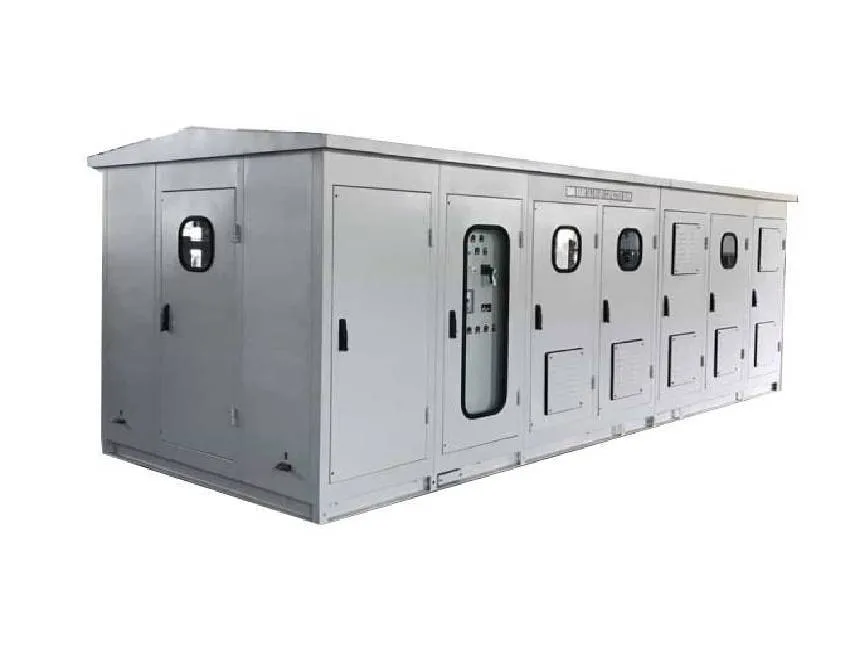
An APFC panel or capacitor bank is often the most neglected piece of electrical equipment in a facility — it works silently in the background, and unlike a motor or a machine, nobody notices it’s underperforming until a PF penalty reappears on the bill or a capacitor fails outright. A modest preventive maintenance routine catches nearly all of that before it becomes a cost.
Monthly checks
- Panel meter readings — log PF, kVAR output, and any error/alarm codes on the APFC relay. A gradual drift in achieved PF against target, even without an alarm, usually means a capacitor step is starting to underperform.
- Visual inspection for bulging or leaking capacitors — a bulged capacitor case is a clear early-failure sign and should be scheduled for replacement before it fails, not after.
- Contactor switching count (on APFC panels) — most relays log switching cycles; comparing against the contactor’s rated mechanical life flags when replacement should be scheduled proactively rather than reactively.
- Audible check — excessive humming beyond normal operating noise often indicates harmonic loading the bank wasn’t designed for, worth investigating rather than ignoring.
Quarterly checks
- Thermal imaging of busbars, contactor terminals, and capacitor terminals — a hotspot at a connection point almost always precedes a failure and is invisible without a thermal camera.
- Torque check on all electrical connections — thermal cycling loosens bolted connections over time, and a loose connection is one of the most common root causes of localized overheating and eventual failure.
- Capacitance measurement against nameplate rating — a capacitor losing capacitance (typically due to internal element degradation) will underperform on PF correction well before it fails outright; catching this at 5–10% degradation is far cheaper than an unplanned outright failure.
- Detuned reactor inspection (where fitted) for insulation condition and unusual noise, since reactors run continuously and are easy to overlook next to the more visible capacitor cans.
Annual checks
- Full harmonic re-survey if the facility’s load has changed meaningfully (new VFDs, new machinery, process changes) since the last measurement — a bank sized correctly three years ago may be resonating or under-filtering against today’s load mix.
- Protection relay testing — unbalance, overcurrent and discharge protection should be functionally tested, not just assumed operational because the panel hasn’t tripped.
- Enclosure and ventilation check — blocked ventilation or a degraded enclosure seal accelerates thermal aging of every component inside.
Why this pays for itself
Capacitor banks and APFC panels are not maintenance-free just because they have no moving parts beyond the contactors. A basic routine costing a fraction of a single unplanned capacitor replacement — let alone the PF penalty exposure during the weeks a degraded bank goes unnoticed — consistently pays for itself, and extends equipment life measurably beyond a run-to-failure approach.
Related reading: see our BITMatic APFC Panels and LT Power Capacitors ranges.