
 033-2231 8646/47
 info@e-cube.in
Energy Audits
An energy audit is a systematic study of how a facility actually uses energy — electrical and thermal — measured against what its processes genuinely require, so that waste, inefficiency and avoidable cost can be identified and corrected. For an industrial plant running motors, compressors, HVAC and furnaces around the clock, even a few percentage points of avoidable loss compounds into a significant, recurring cost on every monthly bill.
HOW E-CUBE APPROACHES AN ENERGY AUDIT E-Cube Energy, through its sister concern, has considerable experience conducting detailed energy audits covering all forms of energy used at a facility for customers across multiple industrial sectors. The audits are carried out by a team of BEE (Bureau of Energy Efficiency) certified Energy Auditors and Energy Managers — including E-Cube's own Amit Bhutoria, a BEE certified Energy Manager and Energy Auditor who leads the company's product development and technical functions.
SCOPE OF A TYPICAL AUDIT
- A preliminary walk-through to map major loads, tariff structure and overall energy use across the facility
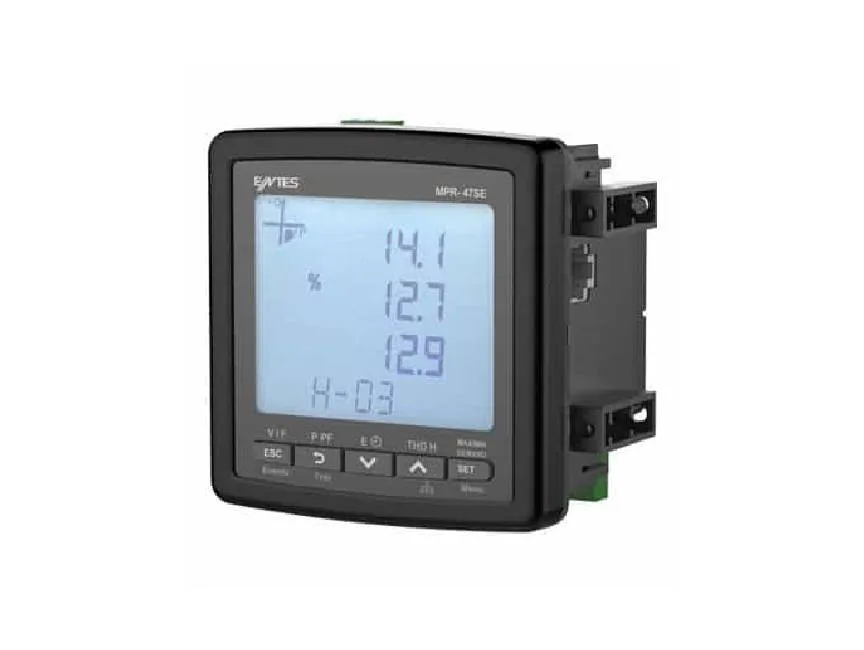
- Detailed measurement and data logging using power quality and energy analyzers, the same instruments used in E-Cube's Power Quality Audits
- Energy accounting — apportioning consumption by department, process line or equipment to isolate where the losses actually are
- Identification of Energy Conservation Measures (ECMs), ranked by expected savings, payback period and investment required
An audit report on its own doesn't save anything — the value is in what happens after it. E-Cube's energy audits are structured to end in a set of prioritized, costed recommendations, and the team stays involved through implementation, monitoring and verification of the corrective actions taken, so the projected savings are confirmed against real post-implementation data rather than left as a one-time estimate. Where an audit identifies power factor, harmonic distortion or reactive-power losses specifically, the corrective action is frequently one of E-Cube's own manufactured product lines — APFC panels, harmonic filters or capacitor banks — sized to the load profile the audit itself measured.
E-Cube Advantage – Audit and Equipment Under One Roof
Most audit firms hand over a report and leave the implementation to someone else. E-Cube is positioned differently: the same organisation that measures the problem also designs and manufactures the equipment that fixes it. One long-standing client, a flour mill, engaged E-Cube for both power factor correction equipment and a full energy audit — the combined program of equipment upgrades and energy-saving measures identified through the audit delivered an 8-9% reduction in the mill's overall energy consumption, by the client's own account. See more client project results, or get in touch to discuss an energy audit for your facility.
Contact Us